Grills and Griddles
How to Clean a Gas Grill: Grates, Burners, Grease Tray and Venturi Tubes
Quick answer
After each cook, run the grill on high with the lid closed for 10 to 15 minutes, then scrub the grates with a bristle-free brush. Deep clean several times a season: grates, flavorizer bars or heat plates, burner ports, venturi tubes and the grease tray. It takes about an hour with the tank disconnected.
Cleaning a gas grill has two jobs. The quick clean after each cook keeps food from sticking and stops old grease from turning into flare-ups. The deep clean every few months keeps burners lit evenly, prevents grease fires in the cookbox and catches problems like spider webs in the venturi tubes before they cause a fire behind the control panel.
A burn-off is the simplest part: running all burners on high with the lid closed turns stuck-on residue into ash that brushes away. What you brush with matters. Loose wire bristles from worn brushes have caused documented internal injuries when swallowed with grilled food, so this guide uses bristle-free tools such as the GRILLART 18 in. Bristle-Free Grill Brush and Scraper ($22.99) and the Mr. Bar-B-Q Steam Clean Bristle-Free Grill Brush (Scrub Daddy) ($19.99). If your grill is rusted through, a cleaning will not save it; the best gas grills roundup and the gas grill buying guide cover replacements.
On this page
- What is the best way to clean a gas grill after each use?
- Why should I use a bristle-free grill brush?
- How do I deep clean a gas grill step by step?
- How do I clean flavorizer bars and heat plates?
- How do I clean gas grill burners and clogged burner ports?
- Can spiders and insects block a gas grill?
- How do I clean the grease tray to prevent grease fires?
- How do I clean a stainless steel grill without scratching it?
- How often should I clean my gas grill?
- What grill cleaning tools and covers are worth buying?
What is the best way to clean a gas grill after each use?
A two-minute routine after every cook prevents most buildup:
- Burn off. When the food comes off, close the lid and run all burners on high for 10 to 15 minutes. Drippings on the grates and heat bars carbonize into dry ash. Some cooks do this before cooking instead, as part of preheating; either works.
- Brush the grates. With the grill still hot, scrub the grates with a bristle-free brush or scraper. The GRILLART 18 in. brush uses a coiled head and a scraper on a long handle; the Scrub Daddy steam brush is dipped in water and scrubbed on hot grates so the steam lifts residue. Keep your hand and face back from the steam.
- Turn off and close the tank valve. Shut the tank valve first, let the flames go out, then turn the burner knobs off.
- Check the grease tray. Look at the catch pan or cup. Empty or replace the liner when it is about half full.
- Cover once cool. A cover keeps pollen, leaves and insects out of the burners.
Oil the grates lightly before the next cook if they are bare cast iron. Porcelain-enameled and stainless grates do not need it.
Why should I use a bristle-free grill brush?
Wire brush bristles break off as brushes wear, stick to the grates and end up in food. Swallowed bristles have lodged in the throat, esophagus, stomach and intestines, and emergency physicians and the CDC have published case reports of these injuries, some requiring surgery. The risk is small per cook but entirely avoidable, which is why bristle-free tools are the safer default.
- Coil or helix brushes, like the GRILLART 18 in. Bristle-Free Grill Brush and Scraper, scrub with wound stainless coils that do not shed individual wires.
- Steam brushes, like the Mr. Bar-B-Q Steam Clean Bristle-Free Grill Brush (Scrub Daddy), pair a heat-resistant sponge head with a stainless mesh and a scraper.
- Wood or metal scrapers cut grooves to match your grates over time and have no loose parts.
If you still use a wire brush, inspect it before every use and replace it at the first sign of loose or bent bristles, then wipe the grates with a damp paper towel and look closely before cooking. More grilling tools are in best grill accessories.
How do I deep clean a gas grill step by step?
- Shut off and disconnect. Let the grill cool completely. Close the propane tank valve and disconnect the regulator from the tank, or close the natural gas shutoff. Move the tank a safe distance away.
- Remove the grates. Lift out the cooking grates and warming rack. Scrape them with a bristle-free brush or scraper, then soak them in warm soapy water for 15 to 30 minutes and scrub. Rinse and dry fully; oil bare cast iron lightly.
- Clean the flavorizer bars or heat plates. Remove the bars, plates or flame tamers above the burners. Scrape off carbon with a plastic or wood scraper and wash with warm soapy water. Replace any that are rusted through or have holes.
- Clean the burner tubes and ports. Brush the outside of each burner lengthwise with a stiff nylon brush or the tool your manual specifies. Clear clogged ports with a straightened paper clip, being careful not to enlarge them. Remove burners only if the manual describes how.
- Check the venturi tubes. Inspect the open ends of the burner tubes where they meet the valves. Remove spider webs and insect nests with a venturi tube brush and make sure any insect screens are in place.
- Scrape the cookbox. Scrape grease and carbon from the cookbox walls and floor down into the grease tray opening with a plastic scraper. Avoid oven cleaner and harsh caustic cleaners unless your manual allows them.
- Empty and wash the grease tray. Slide out the grease tray and catch pan, scrape the contents into the trash (never down a drain), wash with hot soapy water and fit a new drip pan liner.
- Clean the exterior. Wipe the lid, side shelves and cabinet with warm soapy water. Clean stainless with a soft cloth and a stainless steel cleaner in the direction of the grain.
- Reassemble and leak test. Reinstall burners, bars and grates exactly as the manual shows. Reconnect the tank and do a soapy water leak test on every connection before lighting.
- Light with the lid open and burn off. Light the grill with the lid open, confirm each burner shows even blue flames along its length, then close the lid and run on high for 15 minutes to burn off cleaning residue.
How do I clean flavorizer bars and heat plates?
Flavorizer bars (Weber's name), heat tents, flame tamers and heat plates all do the same job: they shield the burners from drippings and vaporize juices into smoke. They also collect the most carbon. Scrape them with a plastic scraper or the edge of a bristle-free brush, then wash in warm soapy water. Stainless bars can take a non-scratch scouring pad. Porcelain-enameled bars should be scrubbed gently, because chips expose steel that rusts.
Replace bars that have rust holes, crumble when scraped or let flames lick straight up through them. Failing bars cause uneven heat and flare-ups, and they are inexpensive compared with a grill. Search your grill's model number to find the exact size; parts support is one reason brands like Weber, Broil King and Napoleon are worth their price. If your grill needs bars, burners and an igniter all at once, pricing a new grill such as the Weber Spirit E-325 is often the smarter move.
How do I clean gas grill burners and clogged burner ports?
Uneven flames, a burner that lights on one end only or yellow, lazy flames mean the ports are partly blocked or the venturi is obstructed. Healthy flames are mostly blue with yellow tips, about an inch tall on medium, along the whole burner.
- Brush along the burner, not across it, so debris is pushed out of the ports rather than into them. Use the brush type your manual recommends.
- Open clogged ports with a straightened paper clip or a thin drill bit turned by hand. Do not enlarge the holes; that changes the flame.
- Clear the inside of a removable burner by shaking out debris or running a flexible venturi brush through it.
- Replace burners that are cracked, rusted through or have ports that have merged into slots. Gas escaping from a split can flare up under the control panel.
Some grills use tapered or specially shaped burners, such as Weber's PureBlu burners on the Genesis E-325 or Broil King's Dual-Tube burners on the Baron 520 Pro. Follow the manual's cleaning directions for those designs.
Can spiders and insects block a gas grill?
Yes, and it is a real fire risk. Spiders and some insects are attracted to the odorant in propane and spin webs or build nests inside venturi tubes, the open-ended tubes where gas mixes with air before reaching the burner. A blocked venturi can push gas and flame backward out of the tube, a condition called flashback, which can start a fire behind the control panel or under the grill.
Warning signs include yellow, lazy or uneven flames, a gas smell during use, a burner that is hard to light, popping sounds and flames or scorching near the control knobs. If you see fire near the knobs, turn off the tank valve immediately if you can do so safely, move away and let it burn out or call 911.
Inspect venturi tubes at the start of each season, after the grill sits unused for a few weeks and whenever flames change. Many grills include insect screens over the air shutters; keep them clean and in place. A fitted cover like the Weber Premium Spirit cover or the universal Unicook 58 in. cover reduces, but does not eliminate, insect nesting.
How do I clean the grease tray to prevent grease fires?
Built-up grease is the most common fuel for grill fires. Grease that overflows the catch pan or soaks the cookbox floor can ignite during a long, hot cook. Check the catch pan after every cook and empty it when about half full. Scrape the grease tray, the slide-out bottom tray on most carts, at every deep clean or sooner if you cook fatty foods often.
- Let grease cool and solidify, then scrape it into the trash. Never pour it down a sink or storm drain.
- Use disposable foil liners sized for your grill to make emptying faster.
- Do not line the cookbox floor or cover the grease tray opening with foil unless the manual allows it; that can trap grease and block airflow.
- Put a Cuisinart 65 x 36 in. grill mat under the grill to catch drips before they stain a deck or patio.
How do I clean a stainless steel grill without scratching it?
Stainless steel resists rust because of a thin protective oxide layer, and harsh cleaning can damage it. Wipe with warm soapy water and a soft microfiber cloth, rinse, and dry. For fingerprints and streaks, use a stainless steel cleaner made for appliances, wiping in the direction of the grain.
- Avoid steel wool, abrasive scouring pads and wire brushes on exterior panels; they scratch and can embed iron particles that rust.
- Avoid chlorine bleach and chloride cleaners, which cause pitting and tea staining.
- Rinse more often near salt air or pools, where airborne salt and chlorine speed staining.
- Painted and powder-coated lids clean with mild soapy water and a soft cloth only.
Brown surface staining on lower grades of stainless is cosmetic in most cases and wipes away with a stainless cleaner.
How often should I clean my gas grill?
These intervals reflect typical owner manual guidance for a grill used a few times a week in season. Cook more often, or cook fatty foods, and shorten them.
| Task | How often | Time | Tool |
|---|---|---|---|
| Burn off on high, lid closed | Every cook | 10 to 15 min | None |
| Brush grates | Every cook | 2 min | GRILLART bristle-free brush |
| Check catch pan | Every cook; empty at half full | 1 min | Foil liners |
| Wash grates, bars and heat plates | Every 2 to 3 months of regular use | 30 min | Scrub Daddy grill brush, soapy water |
| Clean burners and ports | Start and end of season | 15 min | Nylon brush, paper clip |
| Inspect venturi tubes for webs | Start of season and after the grill sits unused | 5 min | Venturi brush |
| Scrape cookbox and grease tray | Every deep clean | 15 min | Plastic scraper |
| Wipe exterior | Monthly or as needed | 10 min | Microfiber cloth, stainless cleaner |
| Soapy water leak test | Start of season and every tank change | 5 min | Dish soap and water |
| Inspect hose and regulator | Start of season | 2 min | Your eyes |
Your owner manual overrides this schedule for your specific grill.
What grill cleaning tools and covers are worth buying?
A small kit covers every job above. The brush and cover do the most to extend a grill's life.

GRILLART 18 in. Bristle-Free Grill Brush and Scraper
$22.99A double-helix coil brush with a wide scraper on an 18 inch handle that cleans all grate types without shedding wire bristles.
Best for: daily grate cleaning with long reach
Check price on Amazon
Mr. Bar-B-Q Steam Clean Bristle-Free Grill Brush (Scrub Daddy)
$19.99A water-activated Scrub Daddy head with stainless ArmorTec mesh and a scraper that steam-cleans hot grates without wires.
Best for: households worried about loose bristles
Check price on Amazon
Weber Premium Grill Cover for Spirit Gas Grills
$77.77Weber's breathable, UV-inhibited cover with straps, cut for specific Spirit generations so it does not flap or pool water.
Best for: Weber Spirit owners
Check price on Amazon
Unicook 58 in. Heavy-Duty Grill Cover
$32.99A 58 by 25 by 44.5 inch vinyl-coated polyester cover with straps that fits most 3 to 5 burner grills up to 56 inches wide.
Best for: covering a mid-size cart grill
Check price on Amazon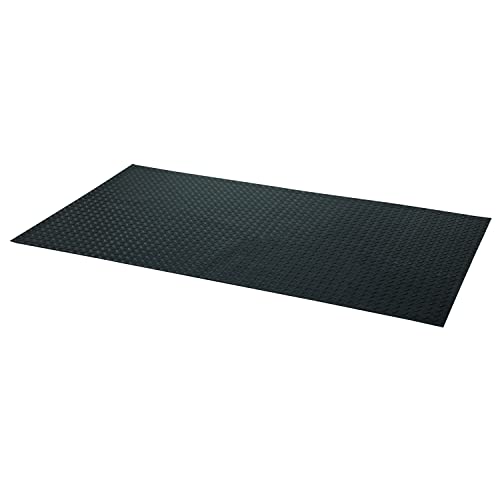
Cuisinart 65 x 36 in. Non-Slip Grill Mat
$59.99A heavy 65 by 36 inch PVC mat that stays put under grills and griddles and catches grease before it stains wood or composite.
Best for: grills on decks
Check price on AmazonHow we chose
We did not test these products in person. Picks are researched from manufacturer specifications and owner manuals, engine and safety certifications where they apply, warranty terms, public recall records, and the recurring themes in verified owner reviews. We favor established brands with large review counts and parts support, match each pick to a real yard size or task, and place it in the tier where its price and capability actually belong.
Frequently asked questions
Should I clean my grill grates while they are hot or cold?
Clean grates while they are hot, right after the burn-off, because heat turns stuck food and grease into brittle carbon that brushes off easily. Use a long-handled bristle-free brush and keep your arm clear of the heat. Save soaking and scrubbing with soapy water for deep cleans, when the grates are cool and removed from the grill.
Is it bad to never clean a gas grill?
Yes. Grease builds up on the heat plates, cookbox and grease tray and eventually ignites during a hot cook, and carbon clogs burner ports so flames become uneven. Spider webs in venturi tubes can cause flashback fires behind the control panel. A grill that is never deep cleaned also rusts faster, because carbon and grease trap moisture against the metal.
Can I clean grill grates in the dishwasher?
Some can. Small grates, like those on the Cuisinart Petite Gourmet, are listed as dishwasher-safe. Most full-size cast iron grates should not go in a dishwasher, because the long wet cycle and detergent strip seasoning and cause rust, and porcelain coatings can chip against racks. Check your manual; when in doubt, soak and scrub by hand and dry immediately.
Why are my gas grill flames yellow?
Yellow, lazy flames usually mean the burner is not getting enough air, most often because a spider web, insect nest or debris is blocking a venturi tube, or burner ports are clogged. Turn the grill off, let it cool, disconnect the gas and clean the venturi tubes and ports. If flames stay yellow or you smell gas, stop using the grill and replace the burner or call the manufacturer.
Can I use oven cleaner on my gas grill?
Many grill manufacturers warn against oven cleaner and harsh caustic cleaners on cookbox interiors, porcelain finishes, painted surfaces and stainless exteriors, because they can etch and discolor them. Warm soapy water, a plastic scraper and a grill-safe degreaser handle most jobs. Read your owner manual before using any chemical cleaner, rinse thoroughly and run a burn-off before cooking.
How long does it take to deep clean a gas grill?
Plan about 45 minutes to an hour for a three or four burner cart grill, plus 15 to 30 minutes of soaking time for the grates. The steps are removing grates and heat plates, cleaning burners and venturi tubes, scraping the cookbox, washing the grease tray, wiping the exterior, reassembling, leak testing and running a 15 minute burn-off.
Researched, not professional advice. This page is compiled from published specifications, manuals, labels and owner-review consensus, not hands-on testing. Follow the manufacturer's instructions and product label, and consult a qualified professional where safety, chemicals, fuel or structures are involved. As an Amazon Associate we earn from qualifying purchases.