Snow Removal
What Size Snow Blower for a Deck or Patio?
Quick answer
A deck or patio of about 16 by 20 feet (320 square feet) in light snow needs a 12 to 18-inch cordless snow shovel or light single-stage machine, never a gas snow blower on a wood deck. A 12-inch cordless shovel clears it in 19 passes and about 9 minutes; an 18-inch machine takes 13 passes and 6 minutes.
Decks and patios are the one place where the right snow tool is smaller than you think. A 320-square-foot deck does not need a snow blower's capacity, and the surface underneath, whether wood boards, composite, pavers or new concrete, is easy to scratch, gouge or damage with the wrong tool or the wrong ice melt.
Our top pick is the EGO Power+ SNS1201 12 in. Cordless Snow Shovel Kit at $359.00: a brushless 56V shovel with a 25-foot throw, a direction dial and a hinged shaft, rated to clear a 3-car driveway of 6-inch snow per charge. For ice, use a salt-free melt such as Safe Paw Pet-Safe Ice Melt, 8 lb ($29.95). Compare tools in electric snow shovel vs snow blower.
On this page
- How long does a deck or patio take to clear?
- What is the best snow removal tool for a deck or patio?
- Can you use a snow blower on a wood deck?
- What should I use on each deck and patio surface?
- Which ice melt is safe for decks, patios and pets?
- When is a regular shovel better than a cordless one?
- Which snow tools fit a deck or patio?
How long does a deck or patio take to clear?
| Clearing width | Passes | Time | Fit |
|---|---|---|---|
| 12 in | 19 | 9 min | Recommended |
| 18 in | 13 | 6 min | Recommended |
| 21 in | 11 | 5 min | More than needed |
| 24 in | 10 | 5 min | More than needed |
| 28 in | 9 | 4 min | More than needed |
| 32 in | 8 | 4 min | More than needed |
About 320 square feet. Recommended: 12 to 18 inch cordless snow shovel or light single-stage (never a gas machine on a wood deck). Times assume a 15 percent overlap, walking speeds of 150, 120 and 85 feet per minute in light, moderate and heavy snow, and 20 seconds per turn.
What is the best snow removal tool for a deck or patio?
A 12 to 18-inch cordless snow shovel, or a light battery single-stage on a patio of pavers or cured concrete. On a 16 by 20-foot deck a 12-inch shovel makes 19 passes in about 9 minutes, and an 18-inch machine makes 13 passes in about 6 minutes. For a deck, the extra 3 minutes buys a tool that weighs a fraction as much, is easy to carry up the steps, and throws snow over the railing instead of against it. The Snow Joe 24V-SS13 ($199.99) is the budget choice, rated at 1,620 pounds of snow per charge.
Can you use a snow blower on a wood deck?
Never a gas snow blower. A gas machine is heavy for deck framing, its muffler gets hot, fuel spills soak into wood, and its steel scraper bar and skid shoes gouge boards and catch on raised screws. Battery single-stage machines are lighter but still scrape the surface with their rubber auger paddles, which can catch board edges and lift splinters, so reserve them for patios of pavers or cured concrete and keep them off wood and composite. On a deck, use a cordless shovel or a plastic hand shovel, push along the length of the boards rather than across them, and leave a thin layer rather than scraping to bare wood.
What should I use on each deck and patio surface?
The surface decides the tool and the ice melt. Always follow the deck or paver maker's care guidance where it exists.
| Surface | Use | Avoid | Ice melt |
|---|---|---|---|
| Wood deck | Cordless shovel, or a plastic shovel such as the True Temper 18 in with its nylon wear strip | Gas snow blowers, metal-edged shovels, ice picks | Salt-free melt such as Safe Paw; never rock salt |
| Composite deck | Cordless shovel or plastic shovel | Metal edges that scratch the cap layer | Follow the deck maker's care guide |
| Pavers | Cordless shovel, or a battery single-stage on flat, well-set pavers | Steel edges that catch raised paver joints | Safe Paw lists pavers |
| New concrete patio (first winter) | Cordless or plastic shovel | Rock salt and harsh deicers | Avoid deicers where the concrete installer advises; sand for traction |
| Cured concrete or stone | Battery single-stage or cordless shovel | Scraping bare with steel on stamped or sealed finishes | Safe Paw lists cured concrete |
Surface guidance summarizes common manufacturer care advice; your deck, paver or sealer maker's instructions take priority.
Which ice melt is safe for decks, patios and pets?
A salt-free, chloride-free product. Safe Paw Pet-Safe Ice Melt is labeled for cured concrete, asphalt, brick, pavers and wood decks, is effective to -2 F and gives up to 72 hours of refreeze protection, using about half as much product as rock salt. Rock salt, which is sodium chloride, should never go on wood decks or on concrete poured within the last year, and it is hard on pet paws and the plants beside the patio. Spread it thinly with a hand spreader like the Chapin 8705A rather than by the handful, and follow the label. The rest of a small-home kit is in the beginner snow removal setup.
When is a regular shovel better than a cordless one?
For an inch or two of snow on a small deck, a plastic push shovel is faster than fetching a battery. A wide pusher such as The Snowplow 36 in, whose UHMW polyethylene blade the maker lists for decks, clears a 16-foot deck in a few pushes. Past 3 or 4 inches, or for anyone who should not be lifting heavy snow, the cordless shovel earns its price. See best snow shovels and best electric snow shovels.
Which snow tools fit a deck or patio?
Cordless snow shovels and plastic-edged hand tools that will not gouge wood, composite or pavers. No gas machines.

EGO Power+ SNS1201 12 in. Cordless Snow Shovel Kit
$359.00A brushless 56V shovel that throws snow up to 25 feet with a 60° direction dial, clears a 3-car driveway of 6-inch snow on the included 2.5Ah battery and folds on a hinged shaft.
Best for: EGO owners who want a second tool for decks, steps and walks
Check price on Amazon
Greenworks 40V 12 in. Brushless Snow Shovel Kit
$335.97A 12-inch brushless shovel with an LED light, directional chute control and an enclosed battery cover to keep snow off the included 4.0Ah battery.
Best for: Greenworks 40V households clearing steps and patios
Check price on Amazon
WORX WG460 40V 12 in. Cordless Snow Shovel
$313.50Clears a 12 by 6-inch path with a 25-foot throw and three throw directions, with WORX rating one charge for a 2 to 4-car driveway and a foldable handle for storage.
Best for: light snowfalls on stairs, decks and small driveways
Check price on Amazon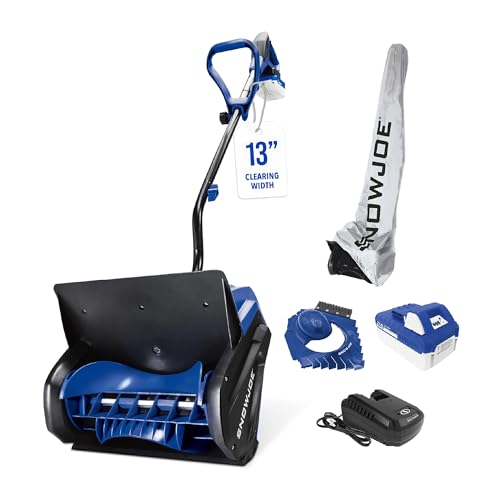
Snow Joe 24V-SS13 13 in. Cordless Snow Shovel Kit
$199.99A 400W shovel clearing a 13 by 6-inch path that Snow Joe rates at 1,620 pounds of snow and up to 22 minutes per charge, bundled with a cover, ice scraper, battery and charger.
Best for: decks, patios and walkways after a few inches of snow
Check price on Amazon
The Snowplow Original 36 in. Snow Pusher
$75.98A USA-made pusher using a virgin UHMW polyethylene blade that the maker says self-sharpens and sheds snow, on a thick-walled metal handle with a patented brace.
Best for: pushing snow on concrete, pavers, decks and rinks without lifting
Check price on Amazon
True Temper 1603400 18 in. Poly Snow Shovel/Pusher
$34.99An 18-inch combination blade for shoveling or pushing, with a nylon wear strip that will not mar decks and an oversized D-grip on a 37.4-inch ergonomic steel handle.
Best for: a dependable everyday shovel for steps, walks and decks
Check price on AmazonHow we chose
We did not test these products in person. Picks are researched from manufacturer specifications and owner manuals, engine and safety certifications where they apply, warranty terms, public recall records, and the recurring themes in verified owner reviews. We favor established brands with large review counts and parts support, match each pick to a real yard size or task, and place it in the tier where its price and capability actually belong.
Frequently asked questions
How do you remove snow from a deck without damaging it?
Use a cordless snow shovel or a plastic shovel, push along the length of the boards rather than across them, and leave a thin layer instead of scraping to bare wood. Avoid metal-edged shovels, ice picks and gas snow blowers. For ice, spread a salt-free, chloride-free melt labeled for wood decks, such as Safe Paw, and never use rock salt on wood.
Can I use a snow blower on my patio?
A light battery single-stage machine is fine on a patio of cured concrete or flat, well-set pavers. Keep gas machines off wood and composite decks entirely, and keep any auger machine off new concrete finishes that scratch easily. On a 16 by 20-foot patio an 18-inch machine clears light snow in about 6 minutes, while a 12-inch cordless shovel takes about 9.
Is rock salt bad for decks and new concrete?
Yes. Rock salt, or sodium chloride, is widely advised against for wood decks and for concrete poured within the last year, and it irritates pet paws and damages nearby plants. Use a salt-free, chloride-free ice melt labeled for your surface, such as Safe Paw, which lists wood decks, pavers and cured concrete. On new concrete, follow the installer's advice and use sand for traction.
Should I shovel snow off my deck?
Usually yes. Clearing keeps doors and stairs usable, lets the boards dry, and reduces the weight a heavy, wet snowfall puts on the framing. Use a cordless or plastic shovel and throw snow away from the house and foundation. If a very heavy snow load has built up on an older or elevated deck, clear it in stages and have the structure checked if you see sagging.
Researched, not professional advice. This page is compiled from published specifications, manuals, labels and owner-review consensus, not hands-on testing. Follow the manufacturer's instructions and product label, and consult a qualified professional where safety, chemicals, fuel or structures are involved. As an Amazon Associate we earn from qualifying purchases.