Chainsaws and Wood
Wood Chipper vs Shredder vs Mulcher: What Is the Difference?
Quick answer
A wood chipper uses sharp blades to turn branches into chips; a shredder uses hammers, flails or line to tear leaves and soft debris into mulch. Most homeowner machines, like the Champion 3 in, combine both. Buy a leaf mulcher such as the WORX WG430 if leaves are your only problem, and a chipper for branches.

Champion 3 in. 224cc Portable Chipper Shredder
$605.99A 224cc chipper shredder with hardened steel blades for 3 in branches and a separate shredder chute.
Best for: storm cleanup and brush piles on larger lots
Check price on Amazon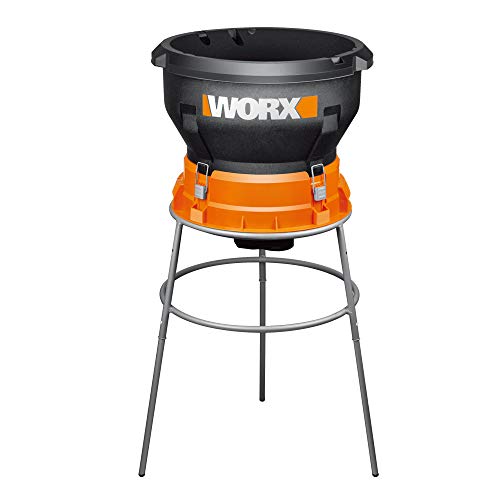
WORX WG430 13 Amp Electric Leaf Mulcher
$189.99A 13 amp bladeless mulcher rated at 53 gallons of leaves per minute with an 11:1 reduction.
Best for: turning raked leaf piles into compost or mulch
Check price on AmazonA wood chipper feeds branches into a spinning disc or drum with hardened steel knives that slice wood into chips. A shredder, sometimes called a mulcher, uses swinging hammers, flails or cutting line to beat soft material such as leaves, stalks and thin twigs into small pieces. A chipper shredder has both: a side chute for branches and a top hopper for leaves. "Mulcher" is also used for leaf mulchers and blower vacuums, which only handle leaves.
Match the machine to your waste. Mostly fall leaves means a WORX WG430 ($189.99) or a blower vac. Mostly pruning debris and storm branches means a chipper shredder like the Champion 3 in ($605.99). Plan how you will use the output with the mulch calculator.
On this page
How does a wood chipper compare with a shredder?
| Factor | Wood chipper | Shredder or leaf mulcher |
|---|---|---|
| Cutting action | Hardened steel blades or knives | Hammers, flails or nylon line |
| Best material | Branches and limbs | Leaves, stalks, thin twigs, garden debris |
| Branch capacity | 1.75 in (WEN 41119); 2.5 in (Patriot CSV-2515); 3 in (gas models) | About 1/2 in or less (Champion 3 in shredder chute) |
| Reduction | 15:1 listed on the SuperHandy 3 in | 11:1 (WORX WG430); 16:1 on blower vacs |
| Output | Wood chips for paths and beds | Shredded leaf mulch for beds and compost |
| Jams on | Leafy green material, palm fronds | Wet, matted leaves and sticks |
| Power | 15 amp electric to 301cc gas | 12 to 13 amp electric |
| Upkeep | Sharpen or replace knives, engine care on gas | Replace cutting line, clean the housing |
| Noise | Gas chippers are very loud | Electric motor noise |
| Catalog price | $91.98 to $1,495.00 | $117.32 to $189.99 |
Capacities from manufacturer listings. SuperHandy warns against fresh greens, pine cones and palm fronds in its chipper.
Which should you choose, a chipper or a shredder?
Choose a wood chipper or chipper shredder if:
- You prune trees and shrubs every year and have piles of branches.
- You clean up storm limbs and want chips instead of brush pickup.
- You want wood chips for paths, play areas or bed mulch.
- Your branches are under 3 in; bigger wood is firewood or an arborist job.
Choose a shredder or leaf mulcher if:
- Your yard waste is mostly leaves.
- You want to shrink leaf bags or make leaf mulch and compost.
- You have little storage space and want a light electric tool.
- You already rake or blow leaves into piles.
Mulcher vs wood chipper: which one handles leaves?
A leaf mulcher. The WORX WG430 uses a bladeless line system that WORX rates at 53 gallons of leaves per minute with an 11:1 reduction, about 11 bags down to one, and it sits on a stand above a bag or can. Blower vacuums mulch as they collect: the WORX WG512 Trivac and EGO LV5005 list 16:1 ratios, and the Toro 51609 uses a metal impeller. A chipper shredder's top hopper also takes leaves, but a gas machine is a noisy way to process dry leaves and wet leaves clog it.
Before buying anything for leaves, try mowing them. Many university extension programs recommend shredding a moderate layer of leaves into the lawn with a mulching mower, which returns organic matter to the soil. A mulcher earns its place when leaf fall is heavy or you want leaf mulch for beds. See the best leaf vacuums and mulchers.
Electric or gas chipper: which is worth it?
Small electric chippers such as the WEN 41119 are inexpensive and quiet enough for suburban use, but a 1.75 in capacity and a preference for straight, trimmed sticks means they are slow on a real brush pile. The Patriot CSV-2515 is the serious electric option: a maintenance-free 1.5 HP motor making coin-sized chips from branches up to 2.5 in, at a much higher price. Gas chipper shredders with 3 in capacity, like the Champion 3 in, SuperHandy 3 in and Earthquake K33, are the practical choice for larger lots and storm cleanup, with the noise and engine care that come with them.
Do you need to own a chipper at all?
Many homeowners do not. If you generate one big brush pile a year, renting a tow-behind chipper, using municipal brush pickup or having a tree service chip what they cut is often cheaper, and tree services frequently have surplus chips to drop off. Owning makes sense when you prune every season, live rurally without pickup, or want chips on demand. Remember the 3 in limit on homeowner machines: anything thicker is firewood, not chipper feed.
What do owners commonly report?
Owners of small electric chippers commonly report that they work well on dry prunings but jam on leafy, forked or green branches and require patient feeding. Gas chipper shredder owners praise how quickly they reduce brush piles and complain about noise, weight when moving them around, blade dulling from dirty wood and clogging from wet leaves in the shredder hopper. Owners of leaf mulchers like the WORX WG430 generally praise volume reduction on dry leaves and note that wet leaves and sticks slow it down.
Chippers and mulchers worth considering
See the best wood chippers roundup for more.
Champion 3 in. 224cc Portable Chipper Shredder
$605.99A 224cc OHV engine, hardened steel blades for 3 in branches, a separate shredder chute for leaves and debris and a rear clean-out port for jams.
Best for: storm cleanup and brush piles
Check price on Amazon
Patriot CSV-2515 1.5 HP Electric Wood Chipper Leaf Shredder
$1,495.00A quiet, maintenance-free 1.5 HP electric motor that makes coin-sized chips from 2.5 in branches and shreds leaves through a large top hopper.
Best for: steady chipping near the house
Check price on Amazon
WEN 41119 15 Amp Electric Wood Chipper Shredder
$91.98A 15 amp chipper for branches up to 1.75 in with up to 8,000 cuts per minute, a push stick and a hopper safety interlock.
Best for: light pruning debris
Check price on Amazon WORX WG430 13 Amp Electric Leaf Mulcher
$189.99A bladeless 13 amp mulcher rated at 53 gallons of leaves per minute with an 11:1 reduction; the bag is sold separately.
Best for: turning leaf piles into mulch
Check price on AmazonHow we chose
We did not test these products in person. Picks are researched from manufacturer specifications and owner manuals, engine and safety certifications where they apply, warranty terms, public recall records, and the recurring themes in verified owner reviews. We favor established brands with large review counts and parts support, match each pick to a real yard size or task, and place it in the tier where its price and capability actually belong.
Frequently asked questions
Is a mulcher the same as a wood chipper?
Not exactly. A wood chipper slices branches with sharp blades into chips. A mulcher, or shredder, beats soft material such as leaves and thin stalks into small pieces with hammers, flails or line. Chipper shredders combine both with separate chutes. Leaf mulchers like the WORX WG430 handle leaves only and cannot take branches.
What size wood chipper do I need?
Look at the thickest branches you prune regularly. Light shrub pruning fits a 1.75 in electric like the WEN 41119. Mixed tree pruning and storm cleanup call for 2.5 to 3 in capacity, such as the Patriot CSV-2515 electric or 3 in gas chipper shredders. Anything thicker than 3 in is better cut into firewood or handled by a tree service with a commercial chipper.
Can a wood chipper shred leaves?
A chipper shredder can, through its top hopper, but a pure chipper with only a branch chute cannot. Dry leaves shred well; wet, matted leaves clog most hoppers. If leaves are most of your yard waste, a dedicated leaf mulcher or blower vac is quieter, lighter and cheaper, and mowing leaves into the lawn with a mulching mower often works for moderate leaf fall.
Is an electric wood chipper worth it?
For light pruning near the house, yes: electric chippers are quiet, start instantly and need no engine care. Budget models are slow and limited to about 1.75 in, so they suit small amounts of dry prunings. The Patriot CSV-2515 handles 2.5 in branches well but costs as much as a large gas unit. For big brush piles, gas is more practical.
What can you do with wood chips from a chipper?
Use fresh chips as mulch on paths, around trees and in shrub beds, spread about 2 to 3 in deep and kept a few inches away from trunks and stems. They also work for play areas and as a brown layer in compost. Avoid chips from diseased trees near susceptible plants. The mulch coverage chart shows how far a cubic yard goes.
Researched, not professional advice. This page is compiled from published specifications, manuals, labels and owner-review consensus, not hands-on testing. Follow the manufacturer's instructions and product label, and consult a qualified professional where safety, chemicals, fuel or structures are involved. As an Amazon Associate we earn from qualifying purchases.