Weed Control
Wild Violet in Lawns: Identification and Control
Quick answer
Wild violet is a rhizomatous perennial with waxy heart-shaped leaves that shrug off ordinary broadleaf sprays. Triclopyr is the active that works, applied in fall and repeated over more than one season. Expect two or three treatments, and fix the shade and damp soil that favor it.
Wild violet is the weed that makes people doubt their sprayer. It has a thick waxy leaf surface that sheds droplets, underground rhizomes that survive whatever reaches the top, and a second set of flowers at ground level that never open and quietly self-pollinate to make seed. Every one of those traits works against a single spring application.
So set expectations first: this is a multi-season project, not a weekend one. It is also a shade and moisture indicator, which means turf choice matters. Size the reseeding with the grass seed calculator, and read the label discipline in the weed killer safety guide before you start.
On this page
How do I identify wild violet?
| Trait | Wild violet |
|---|---|
| Weed type | Broadleaf |
| Life cycle | Perennial; rhizomes survive winter and spread each year |
| Season | Cool season; flowers in spring, foliage persists through the growing season |
| How it spreads | Short thick rhizomes, plus seed from both showy flowers and hidden self-pollinating ones at ground level |
| Leaf | Heart-shaped with scalloped edges and a glossy, waxy surface that beads water and herbicide |
| Flower | Purple, blue or white five-petal flowers on leafless stalks in spring |
| Roots | Fleshy rhizomes just under the surface, which resprout after the top is killed |
| What it says about the lawn | Shade, moist soil, and turf too thin to compete |
Wild violet is sold as a garden plant in some forms, so a patch may have escaped from a bed rather than arrived as a lawn weed.
Why is wild violet so hard to kill?
Three defenses stack up. The waxy leaf cuticle keeps spray droplets from being absorbed, which is why labels for violet call for a surfactant and thorough coverage. The rhizomes store energy below ground, so killing the visible leaves leaves a functioning plant in place. And the ground-level cleistogamous flowers set seed without ever opening, meaning even a patch that never visibly blooms keeps reseeding.
Add shade tolerance and you have a weed that occupies ground where turf is already weak. Improving light and overseeding with fine fescue or a dense shade mix is a real part of the control, not an afterthought. Products for that are in the best grass seed for shade.
How do I get rid of wild violets?
Plan for repeat applications across more than one season and judge success by patch size shrinking year over year. Anyone promising a one-application cure on violet is guessing.
| Method | When | What it involves |
|---|---|---|
| Triclopyr products | Fall, while foliage is green and growing | The most effective home-lawn active on violet. Follow the label on surfactant and coverage, since the waxy leaf sheds spray. |
| Repeat applications | Per label interval, across two or more seasons | Rhizomes resprout. Two or three rounds is the normal path, not evidence of failure. |
| Products naming wild violet | Growing season, per label | A few ready-to-spray lawn products list wild violet alongside nutsedge and dollarweed. Read the turf list. |
| Three-way broadleaf mixes | Fall, as a partial measure | Suppression at best. Straight 2,4-D is close to useless on violet. |
| Overseed shade-tolerant grass | Late summer to early fall, soil 50 to 65 F | Fine fescue or a dense shade blend, so cleared ground does not simply refill. |
| Digging | Small isolated patches, moist soil | Remove all rhizome pieces or each fragment restarts. Impractical on established patches. |
| Improve light and drainage | Ongoing | Thinning low branches and fixing a soggy area removes the conditions that favor violet over turf. |
Treat in fall. Violet moves resources into its rhizomes then, carrying a systemic herbicide down with them.
Which products should I look at for violet?
Ortho Nutsedge Killer for Lawns Ready-to-Spray, 32 oz names wild violet on its label along with nutsedge, kyllinga and dollarweed, and covers 5,000 sq ft without mixing. Beyond that, look for a triclopyr concentrate, which is the class extension guidance points to for violet and other waxy perennials. Triclopyr can injure warm-season grasses, particularly in heat, so read the turf list and temperature limits.
General broadleaf products such as Ortho WeedClear Weed Killer for Lawns Concentrate, 1 gal and Spectracide Large Plot Weed Stop for Lawns Concentrate, 1 gal are worth having for the rest of the lawn, but treat their effect on violet as suppression. Roundup Weed and Grass Killer4 Concentrate, 1 gal kills violet and the surrounding lawn together, so reserve it for a full renovation where you intend to reseed everything anyway.
What gear helps with wild violet?
A sprayer that gives even coverage on a water-shedding leaf, and shade seed for the ground you clear. Coverage is the whole game here, so a fan tip beats a jet.

Smith Performance Sprayers R200 2-Gallon Compression Sprayer
$55.97A pro-grade 2 gallon compression sprayer with Viton seals and tool-free seal changes, built for the repeated herbicide use violet requires.
Best for: multi-season violet treatment
Check price on Amazon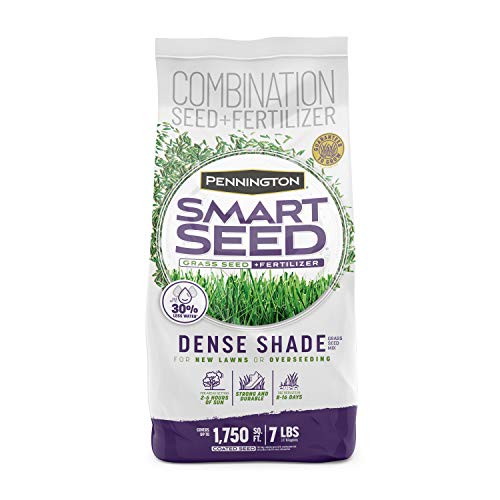
Pennington Smart Seed Dense Shade Mix, 7 lb
$28.47A shade blend for spots seeing 2 to 6 hours of sun, with fertilizer included and 1,750 sq ft of coverage.
Best for: reseeding shaded patches
Check price on Amazon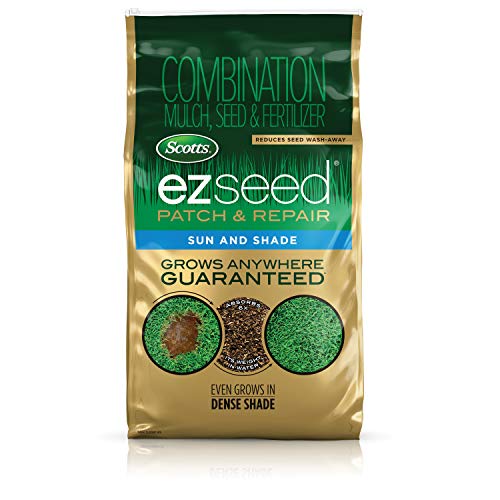
Scotts EZ Seed Patch and Repair Sun and Shade, 10 lb
$33.99Seed, expanding mulch, controlled-release fertilizer and tackifier in one bag, covering 225 sq ft of bare spots.
Best for: filling holes left after treatment
Check price on AmazonHow we chose
We did not test these products in person. Picks are researched from manufacturer specifications and owner manuals, engine and safety certifications where they apply, warranty terms, public recall records, and the recurring themes in verified owner reviews. We favor established brands with large review counts and parts support, match each pick to a real yard size or task, and place it in the tier where its price and capability actually belong.
Frequently asked questions
Why do wild violets survive weed killer?
Their leaves have a thick waxy coating that beads spray instead of absorbing it, and the plant regrows from rhizomes below ground even when the foliage dies. Straight 2,4-D is close to useless on violet, and three-way products manage suppression at best. Triclopyr is the active that penetrates, applied in fall with the surfactant and coverage the label specifies, and repeated over more than one season.
How many times do I need to spray wild violet?
Plan on two or three applications spread over more than one growing season, following the label interval. Rhizomes hold enough energy to push new leaves after the first treatment, so the realistic measure of success is the patch shrinking year over year rather than disappearing at once. Overseeding the cleared ground with shade-tolerant grass is what stops it refilling.
Can I dig wild violets out instead of spraying?
Only for small, isolated patches, and only if you remove every piece of rhizome. The fleshy underground stems sit just below the surface and any fragment left behind starts a new plant, so partial digging tends to multiply crowns. On an established patch in shaded turf, digging also leaves bare soil that violet seed, already banked in the ground, will colonize first.
Researched, not professional advice. This page is compiled from published specifications, manuals, labels and owner-review consensus, not hands-on testing. Follow the manufacturer's instructions and product label, and consult a qualified professional where safety, chemicals, fuel or structures are involved. As an Amazon Associate we earn from qualifying purchases.