Weed Control
Prostrate Spurge: Identification and Lawn Control
Quick answer
Prostrate spurge is a summer annual with milky sap that germinates later than crabgrass, around 60 to 65 F soil. A pre-emergent labeled for spurge stops it, a three-way broadleaf product kills plants already up, and young plants pull out whole because of the single taproot.
Prostrate spurge is the flat mat that appears in sidewalk cracks, driveway edges and any hot thin spot in midsummer. Break a stem and it bleeds white latex sap, which is the definitive identification and also the reason to wear gloves: the sap irritates skin and is genuinely painful in the eyes.
It is a summer annual with one taproot, not a creeping perennial, which is good news. A single plant pulls out whole, and frost ends the generation. The catch is timing, because spurge germinates weeks after crabgrass, so a pre-emergent applied only at the crabgrass window may have weakened before spurge starts. Measure the area with the lawn size calculator.
On this page
How do I identify prostrate spurge?
| Trait | Prostrate spurge |
|---|---|
| Weed type | Broadleaf |
| Life cycle | Summer annual; killed by frost, returns from seed |
| Season | Warm season; germinates after crabgrass, peaks in midsummer heat |
| How it spreads | Seed, with plants able to flower and seed within weeks of germinating |
| Sap | Milky white latex from any broken stem or leaf. This is the definitive check and it irritates skin and eyes |
| Leaf | Small oval leaves in opposite pairs, often with a maroon or purple blotch in the center |
| Growth habit | Flat circular mat pressed to the soil, radiating from one central point |
| Roots | A single taproot at the center, so young plants lift out whole |
| What it says about the lawn | Thin, hot, dry, compacted ground, especially next to pavement and in scalped areas |
Spotted spurge is very similar and often sold under the same control recommendations. Purslane also forms mats in the same places but has thick succulent leaves and clear sap, not milky.
Why does spurge grow along my driveway and sidewalk?
Because those strips are the hottest, driest, most compacted ground on the property. Concrete stores heat and radiates it into the adjoining soil, turf roots are cut off by the slab edge, and mower wheels compact the same narrow band every week. Spurge is heat-loving and drought-tolerant, so it takes over ground that grass has effectively abandoned.
The same logic explains the other places it shows up: scalped high spots, the strip under a downspout splash that dries hard, and any thin sunny area. Raising mowing height helps, and so does giving edges a deeper watering. Check your target height in the mowing height chart, and fix scalping caused by uneven ground rather than blaming the mower alone.
What kills prostrate spurge?
Spurge responds well to ordinary broadleaf chemistry and to hand pulling. The main mistake is treating it on the crabgrass calendar rather than its own, later schedule.
| Method | When | What it involves |
|---|---|---|
| Pre-emergent herbicide | Spring, with the barrier intact into early summer | Products naming spurge, such as prodiamine or dithiopyr formulations. Spurge germinates after crabgrass, so a split application often fits better. |
| Hand pulling | While plants are small, before seed set | One taproot means the whole plant comes out. Wear gloves, because the milky sap irritates skin. |
| Three-way broadleaf herbicide | Summer, on actively growing plants | 2,4-D, dicamba and mecoprop mixes control spurge. Watch the label temperature limit, since midsummer applications risk turf injury in heat. |
| Raise mowing height | Every mowing | Shade on the soil surface is the cheapest deterrent. Scalped ground is where spurge starts. |
| Water edges deeply | Summer | The hot strip beside pavement dries first. Deeper, less frequent watering keeps turf competitive there. |
| Thicken thin strips | Late summer to early fall | Overseed the edges and compacted bands so there is no open ground next summer. |
| Let frost finish it | Late season | Spurge is an annual and dies at frost. Late applications rarely earn their cost. |
Spurge can flower and set seed within a few weeks of germinating, so pulling early matters much more than pulling thoroughly later.
Which products handle spurge?
Scotts Halts Crabgrass and Grassy Weed Preventer, 20.12 lb lists spurge along with crabgrass and foxtail and covers 10,000 sq ft, which makes it the simplest preventive choice. Quali-Pro Prodiamine 65 WDG Pre-Emergent Herbicide, 5 lb gives sprayer owners control over timing and allows the split application that matches spurge germinating later than crabgrass. Lesco 0-0-7 with 0.43% Stonewall Pre-Emergent, 50 lb is the granular alternative with no added nitrogen.
For mats already established, Ortho WeedClear Weed Killer for Lawns Concentrate, 1 gal and Spectracide Large Plot Weed Stop for Lawns Concentrate, 1 gal are three-way broadleaf concentrates that control spurge. Mind the heat: most labels set a maximum temperature, and midsummer is exactly when spurge is largest and turf is most easily injured. Southern lawns should confirm that St. Augustinegrass or centipedegrass appears on the turf list.
What gear helps with spurge?
A spreader for the preventive pass, a sprayer for mats, and gloves for pulling. Spreader options are in the best lawn spreaders.

EarthWay 2150 Commercial 50 lb Broadcast Spreader
$279.99A 50 lb commercial push spreader with pneumatic tires and an enclosed gearbox, which keeps the pattern consistent along the driveway strips where spurge starts.
Best for: quarter acre to a full acre
Check price on Amazon
Chapin 16200 2-Gallon Pump Sprayer
$26.44A 2 gallon pump sprayer with an adjustable cone nozzle and nitrile seals rated for weed killer, sized for treating mats along edges.
Best for: spot-spraying pavement edges
Check price on Amazon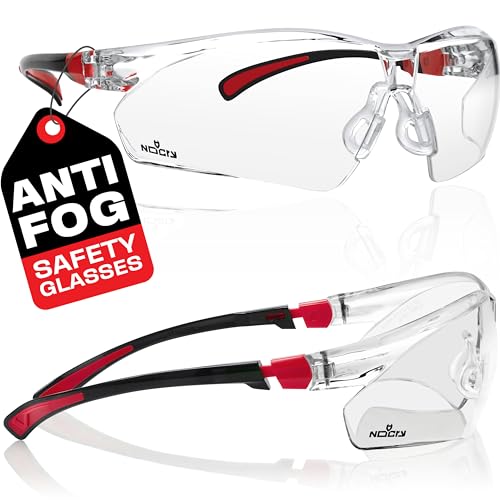
NoCry Clear Anti-Fog Safety Glasses
$13.99Anti-fog clear safety glasses, worth wearing when pulling spurge because the milky sap is a genuine eye irritant.
Best for: hand weeding and spraying
Check price on AmazonHow we chose
We did not test these products in person. Picks are researched from manufacturer specifications and owner manuals, engine and safety certifications where they apply, warranty terms, public recall records, and the recurring themes in verified owner reviews. We favor established brands with large review counts and parts support, match each pick to a real yard size or task, and place it in the tier where its price and capability actually belong.
Frequently asked questions
Is spurge sap dangerous?
It is an irritant rather than a serious poison, but it deserves respect. The milky latex that leaks from broken stems causes skin irritation and rashes in sensitive people and is painful if it reaches the eyes. Wear gloves when pulling spurge, avoid touching your face, and wash your hands afterward. Keep pets from chewing large amounts, since the sap irritates mouths and stomachs too.
Why did my crabgrass preventer not stop spurge?
Timing is the usual reason. Spurge germinates weeks after crabgrass, when soil is nearer 60 to 65 F, so a pre-emergent applied early in the crabgrass window can be breaking down by the time spurge starts. Check that your product names spurge on the label, and consider the split application many labels allow to carry the barrier further into early summer.
Can I just pull prostrate spurge?
Yes, and it is one of the better candidates for hand weeding. Each plant grows from a single central taproot, so a young plant lifts out whole rather than breaking into resprouting pieces. Wear gloves for the sap. The catch is speed: spurge can flower and set seed within weeks of germinating, so pulling early and often beats one thorough session in late summer.
Researched, not professional advice. This page is compiled from published specifications, manuals, labels and owner-review consensus, not hands-on testing. Follow the manufacturer's instructions and product label, and consult a qualified professional where safety, chemicals, fuel or structures are involved. As an Amazon Associate we earn from qualifying purchases.