Outdoor Power Tools
Tiller vs Cultivator: Which One Do You Need?
Quick answer
A tiller breaks new ground: rear-tine models like the Earthquake Victory dig up to 10 in into sod and clay. A cultivator, or mini tiller, like the Mantis 7940 loosens and weeds soil that is already worked, in 6 to 10 in paths. Rent a tiller for one new bed; most homeowners only need a cultivator.

Earthquake Victory 39381 209cc Rear Tine Tiller
$799.99A 209cc rear-tine tiller with counter-rotating tines that works 16 in wide and up to 10 in deep.
Best for: breaking sod, clay and large new gardens
Check price on Amazon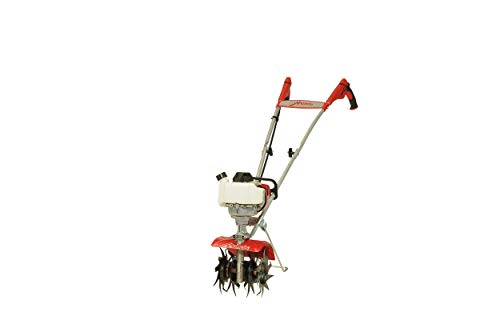
Mantis 7940 4-Cycle Honda Tiller Cultivator
$489.99A 24 lb Honda-powered mini tiller cultivator with tines turning up to 240 RPM.
Best for: raised beds and established vegetable gardens
Check price on AmazonA tiller is a heavy, self-propelled machine with large tines that chop through turf and compacted soil. Rear-tine tillers put the tines behind the wheels and are the easiest to control in hard ground; front-tine tillers put them in front and are lighter and cheaper. A cultivator is a small, light machine with short tines that stirs the top few inches of soil that has already been dug, working compost into flower beds and knocking out weeds between plantings.
The mistake is buying a cultivator to break sod or buying a big tiller for yearly bed maintenance. The Earthquake Victory ($799.99) is built for new ground and clay. The Mantis 7940 ($489.99) weighs 24 lb and lifts into raised beds. If you are growing food, the vegetable side of this lives on GreenhouseSetup; this page covers beds, landscaping and lawn soil prep.
On this page
How does a tiller compare with a cultivator?
| Factor | Tiller | Cultivator (mini tiller) |
|---|---|---|
| Main job | Break sod, clay and new ground | Loosen worked soil, weed, mix in compost |
| Tilling depth | Up to 10 in (Earthquake Victory); 11 in (Earthquake Versa) | A few inches in hard ground; deeper in loose soil |
| Working width | 16 in (Victory); 11 to 21 in (Versa) | 9 in, or 6 in with outer tines off (Honda FG110); 8.25 to 10 in (Greenworks 40V) |
| Engine | 99cc to 209cc four-cycle | 25cc four-cycle Honda or 33cc two-cycle |
| Weight | Heavy, self-propelled on wheels | 24 lb (Mantis 7940); 29 lb (Honda FG110) |
| Control in hard soil | Counter-rotating tines and a drag stake | Bounces and walks in untilled ground |
| Fits in raised beds | No | Yes |
| Transport and storage | Needs a ramp, trailer and floor space | Carry it; stands on a kickstand |
| Corded or battery option | Sun Joe TJ604E: 16 in wide, 8 in deep, light soil | Greenworks 40V: up to 45 minutes per charge |
| Catalog price | $799.99 (Victory) | $489.99 (Mantis 7940) |
Specs from Earthquake, Mantis, Honda, Greenworks and Sun Joe listings. Honda notes its FG110 may dig only a few inches in extremely hard, compacted soil.
Which should you choose, a tiller or a cultivator?
Choose a tiller if:
- You are turning sod or bare compacted ground into a new landscape bed.
- You are preparing bare soil for a new lawn over a large area.
- Your soil is heavy clay that has never been worked.
- You will use it most years, or can share it; otherwise rent.
Choose a cultivator if:
- Your beds are established and you want to loosen and weed them each season.
- You work compost or amendments into the top few inches of existing beds.
- You have raised beds, tight spaces or plantings close together.
- You want a machine you can lift, carry and hang up.
Do you need a tiller to plant a new lawn?
Often not, and this is the useful thing people are not told. If you are fixing a thin or patchy lawn, tilling it up destroys the root system you have, brings buried weed seeds to the surface and leaves soft ground that settles unevenly. Core aeration plus overseeding usually gives a better result for far less work; see how to aerate a lawn and how to overseed a lawn.
Tilling makes sense on bare, compacted ground: new construction, a removed patio, or a full renovation where the old turf is killed first. Extension guidance for new lawns commonly calls for loosening the top 4 to 6 in and working in compost where soil is poor. Never till wet soil: if a squeezed handful forms a sticky ball that will not crumble, wait, because tilling wet clay creates hard clods. Firm the seedbed afterward with a roller such as the Brinly 485 lb roller before seeding, and size material with the topsoil calculator.
Front-tine or rear-tine tiller: which is better?
Rear-tine tillers are better for breaking new ground. The wheels drive the machine, the tines work behind them and counter-rotating tines, like those on the Earthquake Victory, turn against the direction of travel to chew into clay without the machine lurching forward. Earthquake adds instant reverse and a cast-iron transmission with bronze gears. Front-tine tillers are lighter and cheaper, and the Earthquake Versa ($499.00) doubles as a cultivator by removing its outer tines. The tradeoff is that front-tine machines tend to jump and pull in hard, untilled ground, which is the most common owner complaint about them.
Should you rent or buy a tiller?
Rent for a one-time job. A rear-tine tiller is a large purchase that takes up shed space and needs engine care, and many homeowners use one for a single new bed or lawn project. Rental shops carry them by the half day or day. Buy if you build new beds every year, have a large property or live far from a rental shop. A cultivator is the opposite: it is used several times a season for years, so owning makes sense. Four-cycle models like the Mantis 7940 and Honda FG110 run on straight gas, while the Earthquake MC33 needs two-cycle fuel mix; use the two-cycle mix ratio calculator.
What do owners commonly report?
Mantis and Honda mini cultivator owners commonly praise light weight, easy starting and how well they work loose soil, and complain that they bounce on hard, dry or untilled ground. Rear-tine tiller owners praise how they break clay and sod, and complain about weight, turning effort at row ends and transporting them. Roots and long grass wrapping around the tines is a universal complaint across both types.
Tillers and cultivators worth a look
The full lineup is in the best tillers roundup.
Earthquake Victory 39381 209cc Rear Tine Tiller
$799.99Counter-rotating rear tines, a 209cc four-cycle engine, instant reverse and a cast-iron transmission with bronze gears, tilling 16 in wide and up to 10 in deep.
Best for: sod, clay and large new beds
Check price on Amazon
Earthquake Versa 20015 99cc Front Tine Tiller Cultivator
$499.00A 99cc four-cycle front-tine tiller that adjusts from 11 to 21 in wide without tools and tills up to 11 in deep, then converts to a narrower cultivator.
Best for: yearly soil prep in medium beds
Check price on Amazon Mantis 7940 4-Cycle Honda Tiller Cultivator
$489.99A 24 lb Honda-powered four-cycle mini tiller with no fuel mixing, a finger throttle and a kickstand, made in the USA.
Best for: established and raised beds
Check price on Amazon
Greenworks 40V 10 in. Cordless Tiller Cultivator Kit with 4.0Ah Battery
$199.99An 8.25 to 10 in adjustable cultivator with up to 45 minutes of runtime on the included 4.0Ah battery and a 3-year warranty.
Best for: small beds without gas or cords
Check price on AmazonHow we chose
We did not test these products in person. Picks are researched from manufacturer specifications and owner manuals, engine and safety certifications where they apply, warranty terms, public recall records, and the recurring themes in verified owner reviews. We favor established brands with large review counts and parts support, match each pick to a real yard size or task, and place it in the tier where its price and capability actually belong.
Frequently asked questions
Can a cultivator break new ground?
Not well. Mini cultivators are built to work soil that is already loose, and in untilled sod or hard clay they bounce and dig only a few inches; Honda says as much about its FG110. You can make slow progress by working in shallow passes after rain, but for new beds a rear-tine tiller such as the Earthquake Victory, rented or bought, does in an hour what a cultivator does in a weekend.
How deep should you till soil for a new lawn?
Extension guidance commonly recommends loosening the top 4 to 6 in of bare, compacted soil and mixing in compost where the soil is poor. Deeper is rarely necessary for turf. Till only when the soil is moist but crumbly, remove debris, then rake and firm the surface so it does not settle unevenly. For an existing thin lawn, aerating and overseeding usually beats tilling.
Is a front tine or rear tine tiller better?
Rear-tine tillers are better for breaking sod and clay because the wheels drive the machine and the tines, often counter-rotating, dig without dragging you forward. Front-tine tillers are lighter, cheaper and more maneuverable, and they suit beds that were tilled before. In hard untilled ground, front-tine models tend to jump and pull, which is the most common complaint from owners.
Should I rent or buy a tiller?
Rent a rear-tine tiller for a one-time project such as a new bed or lawn renovation, since it is expensive, heavy and takes up storage space. Buy one if you build new beds regularly or have a large property. A small cultivator like the Mantis 7940 is worth owning if you work established beds several times a season.
Do I need to call 811 before tilling?
Yes, if you will dig deeper than a few inches, and it is free. Call 811 or file online a few business days ahead so utilities mark buried lines. Tillers can reach 8 to 11 in deep, which is enough to hit shallow cable or gas service lines in some yards. Utilities do not mark private lines such as irrigation pipe, landscape lighting cable or pet fence wire.
Researched, not professional advice. This page is compiled from published specifications, manuals, labels and owner-review consensus, not hands-on testing. Follow the manufacturer's instructions and product label, and consult a qualified professional where safety, chemicals, fuel or structures are involved. As an Amazon Associate we earn from qualifying purchases.