Seasonal Lawn Care
Zone 8 Winter Lawn Care Calendar: What to Do and When
Quick answer
Zone 8 winters bring lows of 10 to 20 F and two to three months of dormancy. Bermuda, zoysia, St. Augustine and centipede all go straw brown, mowing nearly stops unless you overseeded ryegrass, no lawn gets nitrogen, and the real work is freeze prep and winter weed control.
A dormant zone 8 lawn looks dead and is not. The leaf blades are finished for the season while the crowns, stolons and rhizomes stay alive, and the main risks to them are traffic, standing water and anything that pushes growth in the middle of a cold spell. This is the season where doing less protects more.
It is also the planning season. The mowing time calculator shows what a bigger deck would save next season, and the lime calculator estimates lime, which is worth applying now if a soil test came back acidic, since there are months before the grass needs it.
On this page
What does a zone 8 winter lawn care schedule look like?
Zone 8 gets hard freezes, occasional ice and rarely a light snow. Almost every winter task here protects plumbing, equipment or dormant crowns rather than improving the grass.
| Task | Trigger | Timing cue | Notes |
|---|---|---|---|
| Final mow before dormancy | Growth has stopped | Early winter | Leave the normal height; do not scalp into cold |
| Mow overseeded ryegrass | Ryegrass past one third above height | Every 10 to 14 days | Only if you overseeded; dormant turf needs nothing |
| Disconnect hoses, insulate spigots | First hard freeze forecast | Early winter | A connected hose can split the bib and the pipe behind it |
| Drain or blow out irrigation | Sustained freezing forecast | Early winter | Upper zone 8 freezes hard enough to crack backflow devices |
| Keep traffic off dormant turf | Whole season | Whole season | Dormant grass cannot repair wear until green-up |
| Keep debris off the lawn | Leaves and straw accumulating | Whole season | Crowns need light on warm days |
| Winter annual weed control | Weeds growing, air above 50 F | Mid winter | Burweed treated small is painless; treated late it is not |
| No nitrogen on dormant turf | Whole season | Whole season | It feeds weeds, not grass, and can wash off |
| Service mower, spreader and sprayer | Off season | Any time | Sharpen blades, change oil, rinse and oil the spreader |
| Buy pre-emergent before the window | Before soil reaches 50 F | Late winter | The early spring window opens sooner in zone 8 than people expect |
St. Augustine is the least cold hardy of the common zone 8 grasses. In the upper part of the zone, a severe freeze can kill it outright in exposed or poorly drained areas, and that damage is only visible at spring green-up.
Is my St. Augustine lawn dead or dormant in winter?
Usually dormant, but St. Augustine is the grass most likely to be genuinely hurt by a zone 8 winter. It goes brown after the first hard freezes and stays that way until soil warms past about 65 F. Dig a plug and look at the runners: pliable stolons with firm white roots mean a living lawn, while mushy, hollow runners across an area mean winterkill.
Damage concentrates where you would expect: low wet ground, deep shade, exposed windy edges and any area that was fed late in fall. There is nothing to do about it mid winter. Plan repairs for late spring instead, when plugs such as SodPods St. Augustine Seville Grass Plugs, 64 Count can be set into warm soil and actually run. The profile is on the St. Augustinegrass page, and neighbouring options are on centipedegrass and zoysiagrass.
What should I do to my lawn in winter in zone 8?
Almost everything worth doing in a zone 8 winter happens off the grass. This is the honest list.
| Job | Worth doing? | Why |
|---|---|---|
| Mowing dormant turf | No | It is not growing; traffic does more harm than the cut does good |
| Mowing overseeded ryegrass | Yes, every 10 to 14 days | Ryegrass grows through mild spells |
| Nitrogen fertilizer | No | Dormant grass cannot use it; it feeds winter weeds |
| Lime, if a soil test calls for it | Yes | Slow to act, so applying now suits the next growing season |
| Winter annual weed control | Yes, on mild days | Burweed, chickweed and annual bluegrass are green and easy to hit |
| Irrigation | Rarely | Only during a long dry spell; overwatering dormant turf invites disease |
| Equipment service | Yes | Blades, oil, deck cleaning and fuel stabilizer, all cheaper than a spring repair |
| Planning the pre-emergent | Yes | The 50 to 55 F soil window arrives early in zone 8 |
Hardscape cleaning, gutter work and fence staining all fit the same window, and none of them compete with the lawn for attention the way they do in spring.
How do I protect a zone 8 lawn and its equipment from a freeze?
Disconnect every hose before the first hard freeze, since water trapped in the bib is what splits pipe inside a wall, and store hoses such as the Flexzilla Garden Hose, 5/8 in x 50 ft somewhere above freezing. Drain hose-end timers like the Melnor AquaTimer 4-Zone Programmable Digital Hose Timer and bring them indoors. In-ground systems need the supply shut off and the lines and backflow preventer drained or blown out, because ice damage to a brass backflow assembly is an expensive spring discovery.
For the lawn itself, keep vehicles, trailers and foot traffic off dormant turf, and keep water from standing on it: saturated soil through a freeze does more damage to warm-season crowns than cold air alone. On the equipment side, stabilize or drain fuel, sharpen or replace blades, change the oil and clean the deck, using a lift such as the MoJack ZR350 45005 Riding Mower Lift for a lighter tractor. The sequence is in lawn mower maintenance.
What gear is worth buying in a zone 8 winter?
Service tools, hardscape cleaning, and the pre-emergent you will need before soil hits 50 F. See also the best pressure washers.

Kärcher K 5 Premium Electric Pressure Washer with Hose Reel
$386.01An electric pressure washer with an onboard hose reel and a water-cooled induction motor, sized for drives, walks and patio furniture during the off season.
Best for: concrete, pavers and furniture
Check price on Amazon
Westinghouse 15 in. Pressure Washer Surface Cleaner
$39.99A 15 inch surface cleaner attachment that spins two nozzles under a shroud, so a driveway comes out evenly instead of striped by a wand, and far faster.
Best for: large concrete areas
Check price on Amazon
MoJack ZR350 45005 Riding Mower Lift
$199.99A drive-on lift raising up to 20 inches with a 350 lb front-end rating that folds flat for storage, which makes sharpening and deck cleaning a normal winter job.
Best for: lawn tractors and 42 to 46 in. riders
Check price on Amazon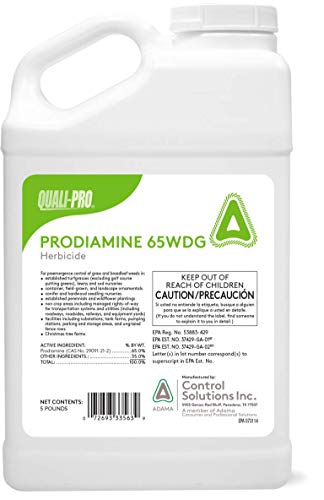
Quali-Pro Prodiamine 65 WDG Pre-Emergent Herbicide, 5 lb
$77.00A sprayable 65 percent prodiamine pre-emergent that tank-mixes with fertilizer and iron, and a 5 lb bottle covers many seasons. It has to be on hand before soil reaches 50 to 55 F.
Best for: sprayer owners treating large areas cheaply
Check price on Amazon
Smith Performance Sprayers R200 2-Gallon Compression Sprayer
$55.97A 2 gallon compression sprayer with a 21 inch stainless wand and Viton seals built to survive repeated herbicide use, sized for spot-treating winter annuals on mild days.
Best for: targeted cool-weather spraying
Check price on AmazonHow we chose
We did not test these products in person. Picks are researched from manufacturer specifications and owner manuals, engine and safety certifications where they apply, warranty terms, public recall records, and the recurring themes in verified owner reviews. We favor established brands with large review counts and parts support, match each pick to a real yard size or task, and place it in the tier where its price and capability actually belong.
Frequently asked questions
What should I do to my St. Augustine lawn in winter?
Leave it dormant and protect it. Keep leaves and debris off so crowns get light on warm days, keep vehicles and heavy foot traffic off, apply no nitrogen, and do not try to green it up with water. Spot-treat winter annual weeds on mild days with a product that names St. Augustine on the label, and plan any plug repairs for late spring when soil is warm.
Do I need to water my lawn in winter in zone 8?
Rarely. Dormant warm-season turf uses very little water, and overwatering it in cool weather encourages disease. During an unusually long dry spell, a light watering every few weeks helps crowns stay hydrated. If you overseeded with ryegrass, that grass is actively growing and does need occasional water, but far less than a summer lawn.
Should I put down fertilizer in winter in zone 8?
No nitrogen. Dormant grass cannot take it up, so most of it feeds winter weeds or runs off into storm drains. If a soil test shows the soil is acidic, lime is worth applying now, because it acts over months and will have moved into the root zone by the growing season. Save nitrogen for after full green-up, when soil is steadily above 65 F.
How do I get rid of lawn burweed before it gets spiny?
Treat it while it is small, in the cool months before it sets burs. Burweed germinates in fall, grows quietly through winter, then forms the spiny seed pods that hurt bare feet in spring. A fall pre-emergent stops it at germination, and a post-emergent labeled for your grass works on young plants during winter. Once the burs have formed, herbicide no longer removes them.
Researched, not professional advice. This page is compiled from published specifications, manuals, labels and owner-review consensus, not hands-on testing. Follow the manufacturer's instructions and product label, and consult a qualified professional where safety, chemicals, fuel or structures are involved. As an Amazon Associate we earn from qualifying purchases.