Weed Control
Common Chickweed: Identification and Lawn Control
Quick answer
Common chickweed is a winter annual, so it germinates in cool fall soil and dies in summer heat. The control that works is a pre-emergent applied in late summer to early fall, plus a three-way broadleaf spray while plants are small in late fall or early spring.
Chickweed runs on the opposite schedule from crabgrass. Seed germinates as soil cools in late summer and early fall, the plant grows quietly through winter, flowers and sets seed in early spring, then dies as summer heat arrives. If you only think about weeds in spring, you are meeting chickweed at the end of its life, after it has already made next year's seed.
That timing dictates everything. A pre-emergent goes down in late summer to early fall, not in spring alongside your crabgrass application. Read the wider timing question in when to apply pre-emergent, and note the conflict with overseeding, since most pre-emergents stop grass seed too.
On this page
How do I identify common chickweed?
| Trait | Common chickweed |
|---|---|
| Weed type | Broadleaf |
| Life cycle | Winter annual; germinates in fall, dies out in summer heat |
| Season | Cool season; visible from fall through spring |
| How it spreads | Seed, plus prostrate stems that root where nodes touch soil |
| Stem | A single line of fine hairs running up one side of the stem, switching sides at each node. This is the definitive check |
| Leaf | Small, smooth, egg-shaped leaves in opposite pairs, bright light green |
| Flower | Tiny white flowers with 5 petals so deeply notched they look like 10 |
| Growth habit | Dense low mats, often in shaded or damp ground |
| What it says about the lawn | Thin fall turf, shade, moist soil or overwatering, and often mowing too low |
Mouseear chickweed is a perennial covered in hairs across the whole leaf and stem. If the plant is fuzzy all over rather than having one hair line, expect it to survive summer.
Why does chickweed keep coming back every year?
Because it sets seed before most people treat it. By the time chickweed is visible and flowering in early spring, seed for the following fall is already on its way. Then the plant dies in summer heat and people assume the herbicide worked.
It also exploits the same weaknesses each year: thin turf going into fall, shade, and soil that stays damp. A lawn that is overseeded and fed in early fall closes the window when chickweed seed needs bare, cool, moist ground. Dense shade is harder, and there the answer is a shade-tolerant grass such as fine fescue rather than more chemical.
What kills chickweed in a lawn?
Chickweed is not hard to kill. Everything depends on hitting it early, while plants are small and actively growing, rather than waiting for the spring flush.
| Method | When | What it involves |
|---|---|---|
| Overseed and thicken turf | Late summer to early fall, soil 50 to 65 F | Closes the bare ground chickweed seed needs. This competes with pre-emergent timing, so pick one per season. |
| Pre-emergent herbicide | Late summer to early fall, as soil cools | Prodiamine or dithiopyr, watered in per the label. Timed for winter annuals, months before a crabgrass application. |
| Post-emergent, small plants | Late fall, or early spring before flowering | Three-way products with 2,4-D, dicamba and mecoprop control chickweed well when plants are young. |
| Post-emergent, mature mats | Spring | Still works, but the plant has usually set seed already, so treat it as damage control rather than prevention. |
| Hand pulling | Any time mats are small | Shallow roots lift easily, though stems root at the nodes, so take the whole mat. |
| Correct watering and shade | Ongoing | Water deeply and less often, and raise light levels where you can. Damp shade is chickweed habitat. |
Do not apply a standard pre-emergent in the same area you are overseeding. Prodiamine and dithiopyr stop grass seed exactly as they stop chickweed seed.
Which products work on chickweed?
For prevention, Quali-Pro Prodiamine 65 WDG Pre-Emergent Herbicide, 5 lb is sprayable prodiamine sized to last many seasons, and Lesco 0-0-7 with 0.43% Stonewall Pre-Emergent, 50 lb is a granular pre-emergent on a potassium carrier covering 12,500 sq ft with no extra nitrogen. Dithiopyr is the other common active and has some early post-emergent activity.
For plants already up, Ortho WeedClear Weed Killer for Lawns Concentrate, 1 gal and Spectracide Large Plot Weed Stop for Lawns Concentrate, 1 gal are three-way broadleaf concentrates that handle chickweed when it is young. Syngenta Tenacity Turf Herbicide, 8 oz is an option on cool-season lawns with both pre and post activity, bleaching treated plants white before they die. Warm-season lawns should check the label turf list carefully, since St. Augustinegrass and centipedegrass are sensitive to several common broadleaf products.
What gear helps with chickweed?
A sprayer accurate enough for a pre-emergent pass and seed for the fall thickening that matters more than either chemical. Sprayer types are compared in pump vs battery sprayers.

Chapin 61800 ProSeries 4-Gallon Backpack Sprayer
$109.99A 4 gallon manual backpack with a fan tip and 3-stage filtration, which lays the uniform band a pre-emergent barrier depends on.
Best for: treating a quarter to half acre
Check price on Amazon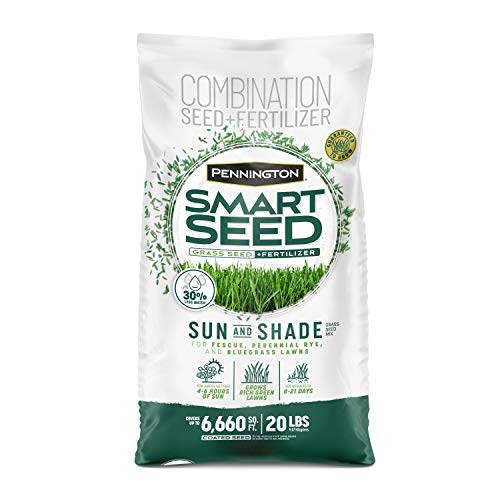
Pennington Smart Seed Sun and Shade Mix North, 20 lb
$57.21A northern sun and shade mix with fertilizer included, rated by Pennington for up to 6,660 sq ft from a 20 lb bag.
Best for: early fall overseeding in partial shade
Check price on Amazon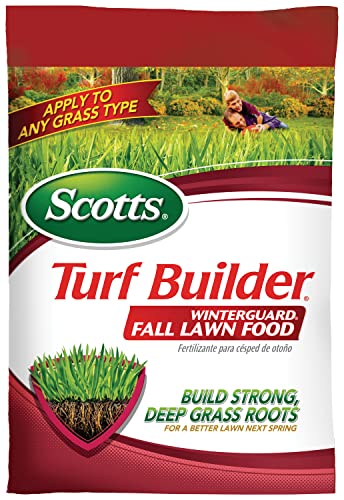
Scotts Turf Builder WinterGuard Fall Lawn Food, 32.3 lb
$46.98A fall feeding for root building before winter, labeled for any grass type at 12,000 sq ft per bag.
Best for: the fall feeding that thickens turf
Check price on AmazonHow we chose
We did not test these products in person. Picks are researched from manufacturer specifications and owner manuals, engine and safety certifications where they apply, warranty terms, public recall records, and the recurring themes in verified owner reviews. We favor established brands with large review counts and parts support, match each pick to a real yard size or task, and place it in the tier where its price and capability actually belong.
Frequently asked questions
When should I apply pre-emergent for chickweed?
Late summer to early fall, as soil temperatures fall rather than rise. Chickweed is a winter annual, so its seed germinates in cooling soil months after the spring window used for crabgrass. A spring pre-emergent does nothing about chickweed that germinated the previous fall. Watch soil temperature at 2 inches with a soil thermometer and follow the product label for the exact window.
Does chickweed die on its own in summer?
Yes, and that is exactly why people think they solved it. Common chickweed is a winter annual that completes its life cycle and dies as summer heat arrives, but only after flowering and dropping seed in spring. The plants disappear and the seed bank does not, so the same lawn fills again in fall. Prevention has to happen before the fall germination window.
How do I tell chickweed from mouseear chickweed?
Look closely at the stem. Common chickweed has a single line of fine hairs running up one side, swapping sides at each node, and otherwise smooth leaves. Mouseear chickweed is hairy all over, with fuzzy leaves and stems. The difference matters because mouseear is a perennial that survives summer and needs repeat treatment, while common chickweed dies out on its own in the heat.
Researched, not professional advice. This page is compiled from published specifications, manuals, labels and owner-review consensus, not hands-on testing. Follow the manufacturer's instructions and product label, and consult a qualified professional where safety, chemicals, fuel or structures are involved. As an Amazon Associate we earn from qualifying purchases.